pf2e investigator guide

Pathfinder 2e Investigator Guide
Pathfinder 2e’s Investigator excels at deduction, utilizing keen intellect and methodologies to unravel mysteries, employing Perception and skill checks effectively.
The Investigator class in Pathfinder 2e embodies the archetype of the brilliant detective, a master of observation and deduction. Unlike classes focused on brute force, the Investigator thrives on unraveling complexities, piecing together clues, and exposing hidden truths. They are intellectual powerhouses, relying on Intelligence-based skills and unique methodologies to solve problems.
This guide delves into the intricacies of playing an Investigator, covering everything from core class features and skill selection to optimal builds and combat strategies. Prepare to become a relentless pursuer of knowledge, a champion of reason, and a formidable force against deception!
Core Class Features
Investigators distinguish themselves through several key features. They begin play trained in an Intelligence-based skill, immediately establishing their expertise. Crucially, they gain both the “That’s Odd” and “Expeditious Inspection” feats at level 1, forming the foundation of their investigative process.
These features allow for rapid analysis and the initiation of investigations. Investigators can maintain multiple active investigations simultaneously, showcasing their ability to juggle complex cases. Their strength lies in calculating probabilities and noticing anomalies, making them exceptional problem-solvers.
Methodologies: The Heart of Investigation
Methodologies are central to the Investigator’s identity, representing their unique approach to problem-solving. These aren’t simply skills, but frameworks for analyzing situations and drawing conclusions. Investigators utilize inductive reasoning, meticulously gathering data and identifying patterns.
This allows them to determine the most probable outcome of any scenario; A keen attention to detail ensures nothing escapes their notice; anything out of the ordinary immediately flags as significant. Methodologies empower Investigators to excel in deduction and uncover hidden truths.
Skill Training and Expertise
Investigators begin with training in one Intelligence-based skill of their choosing, reflecting their specialized area of expertise. This foundational training is crucial for gathering clues and analyzing evidence. Success relies heavily on skills like Perception, allowing for keen observation, and other Intelligence, Wisdom, or Charisma-based skills.
Mastering these skills is paramount. The Investigator’s ability to maintain and manage multiple investigations simultaneously demands a broad skillset and efficient use of actions during exploration and analysis.
Thats Odd: Initial Investigation
The Thats Odd feat is a cornerstone of the Investigator class, granted upon character creation. It allows Investigators to quickly identify anomalies and points of interest within a scene. This initial assessment is vital for focusing investigative efforts and uncovering hidden clues.
This feat facilitates the start of an investigation, prompting the GM to reveal something unusual. It’s the first step in unraveling a mystery, setting the stage for deeper analysis and deduction, utilizing Perception checks.
Expeditious Inspection: Quick Analysis
Expeditious Inspection is a free action granted to Investigators alongside the Thats Odd feat, enabling rapid preliminary analysis of a subject or scene. This swift assessment allows for a quick understanding of potential clues or dangers, without consuming valuable actions during encounters.
It’s a crucial tool for efficient investigation, letting you quickly gather information before committing to more thorough, time-consuming examinations. This ability complements the Investigator’s focus on deduction and observation, enhancing their investigative prowess.
Investigator Feats ー A Deep Dive
Investigator Feats are central to customizing your character and enhancing their investigative capabilities. These feats allow you to specialize in specific areas of deduction, observation, and analysis, tailoring your Investigator to your preferred playstyle. From improving your investigative speed to unlocking new methods of gathering clues, feats are essential for maximizing your effectiveness.
Careful selection of feats is crucial, as they define your Investigator’s strengths and weaknesses. Consider feats that complement your chosen methodology and address any gaps in your skillset.
Level 1 Feats
At 1st level, Investigators gain access to a selection of feats that establish their core investigative style. Thats Odd is a foundational choice, granting the ability to quickly identify unusual circumstances. Other options focus on bolstering skills or enhancing combat prowess. Consider feats that synergize with your chosen methodology, whether it’s Alchemy, Deduction, or Lore.
Prioritize feats that address immediate needs, such as improving a key skill or gaining a reliable method for gathering information. These early choices set the stage for future specialization.
Level 2 Feats
Reaching 2nd level allows Investigators to refine their abilities further. Feats at this stage often build upon the foundation laid at 1st level, deepening specialization. Options include enhancing investigative actions, improving skill proficiency, or gaining access to new tactical options in combat.
Consider feats that complement your chosen archetype and methodology. This is a crucial point to solidify your character’s identity and playstyle, ensuring a cohesive and effective build. Careful selection here will pay dividends later on.
Level 4 Feats & Beyond
At 4th level and beyond, Investigators gain access to more powerful and specialized feats. These options allow for significant customization, enabling builds focused on damage output, enhanced investigation, or support roles. Consider feats that synergize with your archetype and chosen methodologies for maximum effectiveness.
Later feats often introduce unique abilities and tactical options, solidifying your Investigator’s role within the party. Prioritize feats that address weaknesses or amplify existing strengths, creating a well-rounded and formidable character.
Investigator Archetypes
Investigator Archetypes define a specialization within the class, granting unique abilities and shaping your character’s approach to solving mysteries. The Analytical Mind archetype focuses on deduction and information gathering, enhancing investigative prowess. Conversely, the Field Agent excels in covert operations and direct action, blending investigation with combat skills.
Finally, the Monster Hunter archetype specializes in tracking and defeating dangerous creatures, utilizing investigative techniques to exploit weaknesses; Choosing an archetype is crucial, as it significantly impacts your Investigator’s playstyle and effectiveness.
Analytical Mind Archetype
The Analytical Mind archetype embodies the classic detective, prioritizing meticulous analysis and deduction. This archetype enhances the Investigator’s ability to gather and interpret information, granting bonuses to Intelligence-based skill checks. It excels at uncovering hidden clues and piecing together complex narratives, making it ideal for solving intricate mysteries.
Focusing on mental acuity, this archetype often favors support roles, providing crucial insights to the party while remaining strategically positioned. It’s a perfect choice for players who enjoy a cerebral approach to problem-solving.
Field Agent Archetype
The Field Agent archetype transforms the Investigator into a proactive operative, skilled in infiltration, disguise, and swift action. This archetype emphasizes practical skills and adaptability, granting bonuses to Dexterity-based checks and enhancing mobility. It’s designed for Investigators who prefer to gather information firsthand, often operating undercover or engaging in direct reconnaissance.
A Field Agent thrives in dynamic situations, utilizing cunning and agility to overcome obstacles. This archetype is well-suited for players who enjoy a more active and versatile playstyle, blending investigation with combat prowess.
Monster Hunter Archetype
The Monster Hunter archetype focuses the Investigator’s skills on tracking, studying, and ultimately, defeating monstrous creatures. This path grants specialized knowledge regarding monster weaknesses and behaviors, enhancing the effectiveness of attacks and defenses against specific foes. It’s ideal for those dedicated to protecting the innocent from supernatural threats.
A Monster Hunter excels at preparation and exploitation, utilizing gathered intelligence to gain a significant advantage in combat. This archetype favors a proactive approach, actively seeking out and eliminating dangerous beasts before they can cause harm.
Races Best Suited for Investigators
When selecting a race for your Pathfinder 2e Investigator, consider how racial traits complement the class’s reliance on mental acuity. Dwarves offer resilience and a bonus to Constitution, while Elves provide Dexterity benefits, suiting ranged Investigator builds. However, the Dwarf’s slower speed can be a drawback.
Humans offer versatility with an extra skill feat, aiding investigative breadth. Racial choices impact movement and inherent defenses, influencing how effectively an Investigator gathers clues and navigates challenges.
Dwarf Investigator Considerations
Dwarves present a unique case for Investigators in Pathfinder 2e. Their hardy constitution and bonus to that stat enhance survivability, valuable when facing dangers during investigations. However, their reduced movement speed can hinder quick clue gathering and pursuit. The bonus to Wisdom also aids in Perception checks.
Despite the speed penalty, a Dwarf Investigator can excel through careful planning and utilizing positioning. Hardy provides resistance, mitigating risks. Consider feats to offset the movement drawback, focusing on methodical, thorough investigations.
Elf Investigator Considerations
Elves offer a compelling option for Dexterity-focused Investigators in Pathfinder 2e. Their inherent Dexterity bonus synergizes well with skills like Stealth and Acrobatics, useful for covert investigations. However, the reduction to Constitution is a significant drawback, impacting hit points and fortitude saves. Careful play is essential to avoid damage.

An Elf Investigator thrives on agility and precision, excelling at gathering information discreetly. Prioritize defensive feats and positioning to compensate for lower resilience. The speed boost aids in rapid clue collection and escape.
Human Investigator Considerations
Humans present a versatile foundation for Pathfinder 2e Investigators, offering a balanced approach to character building. The bonus skill feat and general adaptability allow for customization to suit various investigative styles. Humans don’t suffer inherent penalties, providing a solid base for any stat distribution.
A Human Investigator can quickly become proficient in multiple skills, accelerating their investigative progress. They excel at filling gaps in expertise and adapting to diverse challenges. Their flexibility makes them ideal for players who enjoy a well-rounded character.
Building an Investigator: Key Stats
Intelligence is paramount for an Investigator in Pathfinder 2e, driving skill checks and methodologies crucial for deduction. Dexterity enhances reflexes and accuracy, benefiting ranged attacks and AC. Wisdom aids in Perception and insight, vital for noticing clues.
While Constitution supports survivability, and Strength isn’t a primary focus, they still play supporting roles. Prioritize Intelligence, then Dexterity and Wisdom, tailoring stat allocation to your chosen investigative approach and archetype.
Intelligence as a Primary Stat
Intelligence fuels the Investigator’s core abilities in Pathfinder 2e, directly impacting skill checks used for investigation, deduction, and analysis; It governs the effectiveness of methodologies, allowing for precise calculations and insightful reasoning. A higher Intelligence score translates to a greater capacity for unraveling complex mysteries and identifying crucial details.
Investing heavily in Intelligence unlocks the Investigator’s full potential, enhancing their ability to gather information and formulate accurate conclusions. It’s the cornerstone of a successful investigative build.
Dexterity and Wisdom Considerations
While Intelligence is paramount, Dexterity and Wisdom offer valuable benefits to the Investigator. Dexterity enhances Reflex saves and AC, crucial for avoiding danger, particularly for builds focusing on ranged attacks. Elven Investigators specifically benefit from Dexterity’s advantages.
Wisdom improves Perception checks, aiding in initial clue gathering, and bolsters Will saves against mental manipulation. A moderate investment in these stats provides well-roundedness, supplementing the Investigator’s intellectual prowess and survivability.
Constitution and Strength – Supporting Roles
For the Investigator, Constitution and Strength generally play supporting roles, though not insignificant ones. Constitution directly impacts hit points, enhancing survivability, a concern given the Investigator’s often fragile nature. Dwarven Investigators gain a natural bonus here, mitigating some weaknesses.
Strength is less critical unless pursuing a melee-focused build, which isn’t optimal. However, a modest Strength score aids carrying capacity and certain skill checks. Prioritizing Intelligence remains key, but neglecting Constitution entirely can prove detrimental in prolonged encounters.
Combat Strategies for Investigators
Investigators thrive by controlling the battlefield and exploiting enemy weaknesses, rather than direct confrontation. Utilizing single-action strikes allows for frequent skill use and strategic positioning. Enchanting Arrow stands out as a premier two-action strike, often surpassing Megaton Strike in damage output across most levels, offering consistent reliability.

Focus on debilitating foes with conditions or supporting allies. Remember, an Investigator’s strength lies in observation and deduction, informing tactical decisions during combat, making them surprisingly effective despite limited physical prowess.
Utilizing Single-Action Strikes
Investigators benefit immensely from frequent single-action strikes, enabling them to weave investigative actions into combat seamlessly. This allows for strategic retreats, precise positioning, and the application of debilitating effects. Prioritize strikes that offer utility beyond raw damage, such as those inflicting status conditions or disrupting enemy formations;
Combining a single-action strike with a swift investigative action—like Perception or a skill check— maximizes efficiency, turning every encounter into an opportunity for both offense and deduction.

Enchanting Arrow: A Powerful Option
For the vast majority of Investigators, Enchanting Arrow stands out as the premier two-action single strike ability. It consistently outperforms Megaton Strike in damage output across most levels, achieving parity only at specific points. This feat allows for versatile ranged combat, supplementing the Investigator’s investigative prowess.

The ability to imbue arrows with magical effects provides tactical advantages, enabling debuffs, elemental damage, or even hindering enemy movement, making it a cornerstone of many Investigator builds.

Megaton Strike: Alternative Damage Dealer
While generally surpassed by Enchanting Arrow for most Investigators, Megaton Strike remains a viable alternative for those prioritizing a straightforward damage boost. It delivers substantial force, potentially disrupting opponents and dealing significant physical harm. However, its effectiveness diminishes as levels progress, often falling behind the consistent output of Enchanting Arrow.
Consider Megaton Strike if your Investigator build focuses heavily on physical attacks and lacks opportunities to fully capitalize on the versatility of enchanted arrows.
Investigation Mechanics in Detail
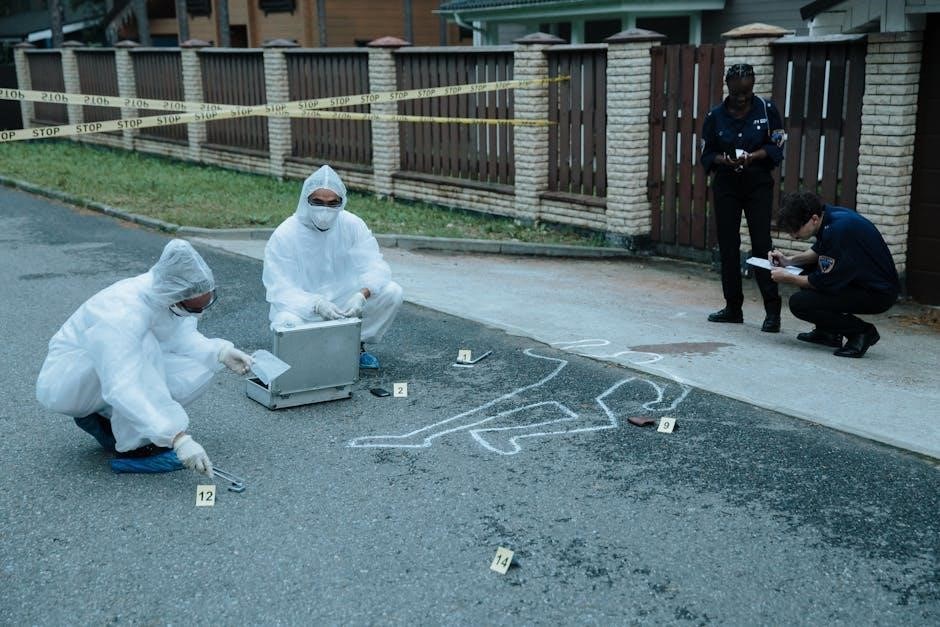
Investigators thrive on unraveling complexities, relying on a blend of Perception checks and diverse skill checks – primarily Intelligence, Wisdom, or Charisma – as determined by the GM. Successfully identifying clues initiates an investigation, allowing you to meticulously gather information. A crucial aspect is managing multiple threads; an Investigator can actively pursue two investigations simultaneously.
Effective investigation requires careful note-taking and strategic allocation of actions to uncover hidden truths and solve perplexing mysteries.
Perception Checks and Investigation
Perception checks form the bedrock of an Investigator’s work, revealing initial clues and hidden details often missed by others. These checks aren’t merely about spotting things; they’re about noticing what’s wrong – anomalies that trigger further scrutiny. A successful Perception check often leads to employing skill checks, utilizing Intelligence, Wisdom, or Charisma, to analyze the discovered information.
The GM determines which checks are most appropriate, tailoring the investigation to the specific scenario and clues available.
Skill Checks Used in Investigation
Beyond Perception, Investigators rely heavily on a diverse range of skill checks to dissect clues and build a comprehensive understanding of a case. Intelligence-based skills like Society, Lore, and Occultism are crucial for analyzing information and uncovering hidden knowledge. Wisdom skills, such as Medicine or Survival, can reveal details about victims or environments. Even Charisma-based skills, like Diplomacy, might be used to extract information from witnesses.
The GM decides which skills apply to each investigative step.
Maintaining Multiple Investigations
A skilled Investigator isn’t limited to a single case; the class feature allows you to actively pursue two investigations simultaneously. This demands careful time management and organizational skills, as each investigation requires dedicated effort. Juggling multiple threads can reveal connections others might miss, leading to breakthroughs. However, spreading yourself too thin risks overlooking crucial details in either case.
Remember, the GM ultimately determines the specifics of each investigation’s complexity.
Gear and Equipment Recommendations
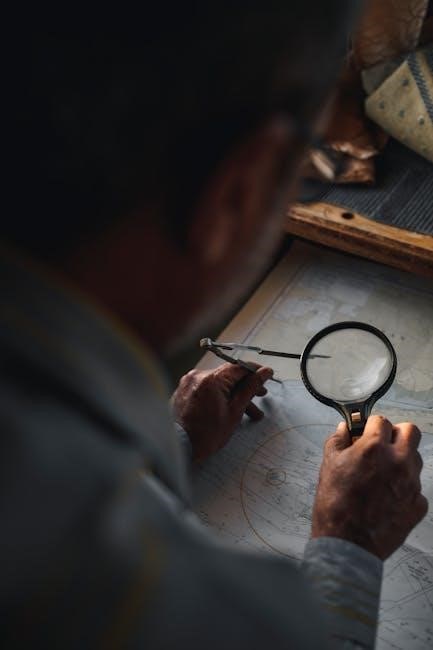
An Investigator’s toolkit is vital for success. Essential tools include a magnifying glass, various writing implements, and specialized kits for specific investigations – alchemical supplies or forgery kits, for example. Prioritize light armor to maintain mobility, and consider simple weapons like rapiers or short swords.
Consumables such as antitoxins and healing potions are crucial, alongside utility items like rope, chalk, and disguises. Careful preparation ensures you’re ready for any clue or confrontation.
Essential Tools for an Investigator
A successful Investigator relies heavily on specialized equipment. A magnifying glass is paramount for detailed examination of clues, while a comprehensive journal and various inks are needed for meticulous note-taking. Consider investing in a forgery kit for deceptive maneuvers, or alchemical supplies for analyzing substances.

Lockpicks prove invaluable for bypassing security, and a set of calipers aids in precise measurements. Don’t underestimate the power of mundane items like chalk for marking evidence or rope for scaling obstacles – preparedness is key!
Armor and Weapon Choices
Investigators generally favor lighter armor to maintain agility and avoid hindering skill checks. Studded leather or even padded armor are excellent choices, prioritizing freedom of movement over heavy protection. Weapon selection often leans towards finesse-based options like rapiers or short swords, complementing their Dexterity.
However, don’t dismiss the potential of a ranged weapon, particularly a bow, to utilize Enchanting Arrow effectively. A versatile Investigator might carry both a melee and ranged option, adapting to diverse combat scenarios.
Consumables and Utility Items
Investigators thrive on preparation, making consumables vital. Healing potions are standard, but consider items enhancing skill checks – elixirs for boosts to Perception or Intelligence-based skills; Alchemical bombs, particularly those with debilitating effects, can control the battlefield.
Magnifying glasses, journals, and specialized tools for lockpicking or disarming traps are essential for thorough investigations. Don’t underestimate the value of chalk for marking clues or smoke sticks for quick escapes, ensuring a prepared Investigator is always ready.